

A Field Guide to Day Drinking
The art of the unhurried cocktail

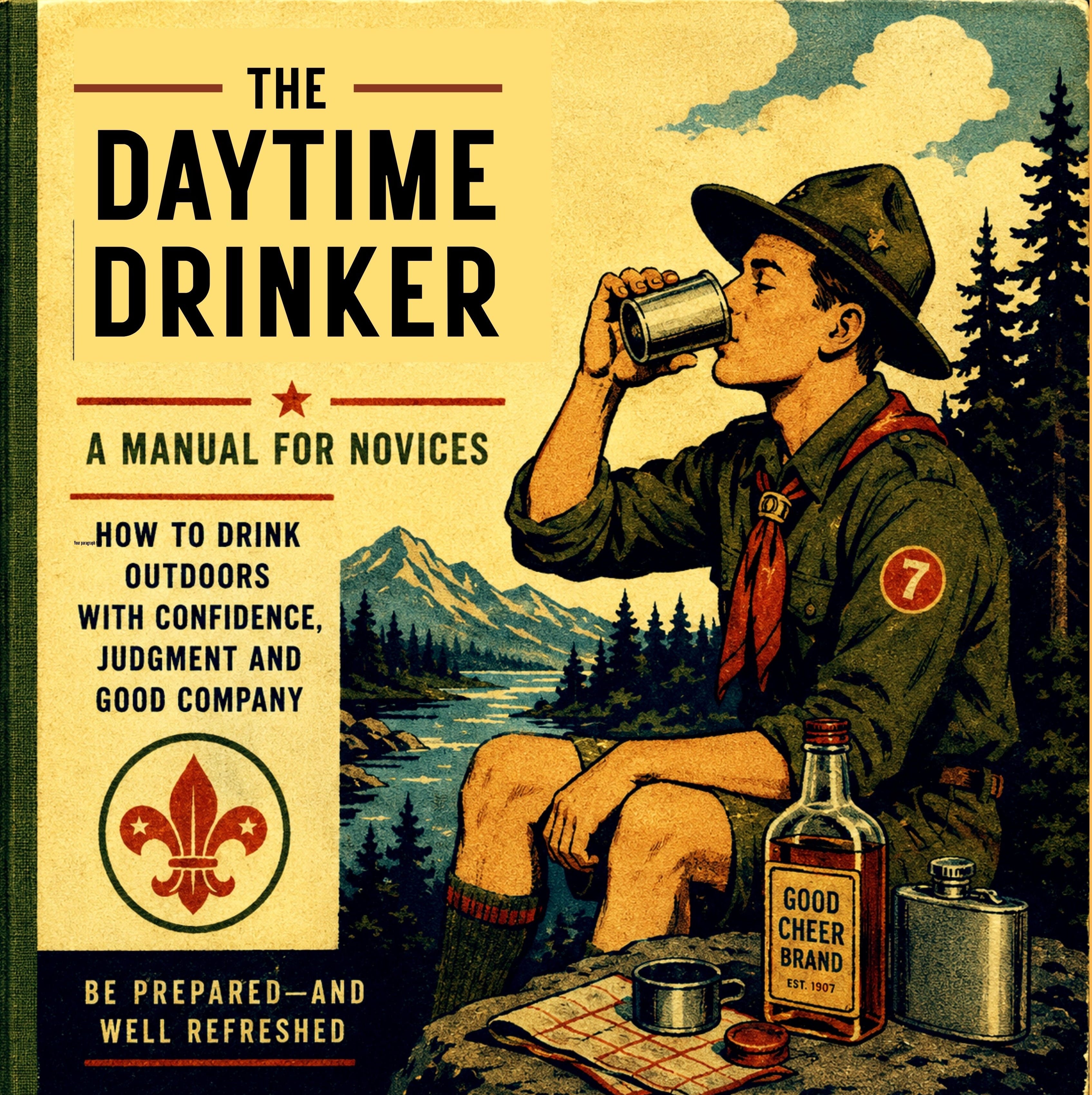
I’m in New Orleans this week, and my time here has involved day drinking. Shocking, I know. But New Orleans is a city that encourages — or possibly demands — that one have an adult beverage during the day. Possibly two. And who am I to refuse?
The lure of a day drink in New Orleans is built on laws, climate, and culture. The city allows you to walk the streets with a beverage in hand as long as it’s in a plastic cup, and there’s little more pleasing than to wander the streets in spring and sit on a low wall sipping something delicious while watching the afternoon unfurl into evening.
New Orleans has weather that’s agreeable for sitting outside, especially this time of year, but also for some of summer if you know where to find shade. The air is thick to the point of swaddling, and alcohol serves as a solvent that somehow makes it tangibly less stifling. And there’s little shame in day drinking here; tables outside bars are populated with quiet tipplers chatting or scrolling on their phones no matter the time of week or day. New Orleans is basically a pickleball court for drinkers.
Day drinking has in recent decades been unfairly cast as the refuge of the underemployed and overly rich. Yet it’s become more democratized recently, what with the rise of 1099 workers free of 9-to-5 shackles, and, in the case of New Orleans, the abundance of hospitality workers filling time before their evening shift, and tourists filling their days. The architect Andrés Duany, who spent time in New Orleans after Hurricane Katrina, once told me he learned while here that free time in New Orleans was more a measure of wealth than money, making the unemployed the wealthiest of all. This struck me as a bit condescending, but also a bit true.
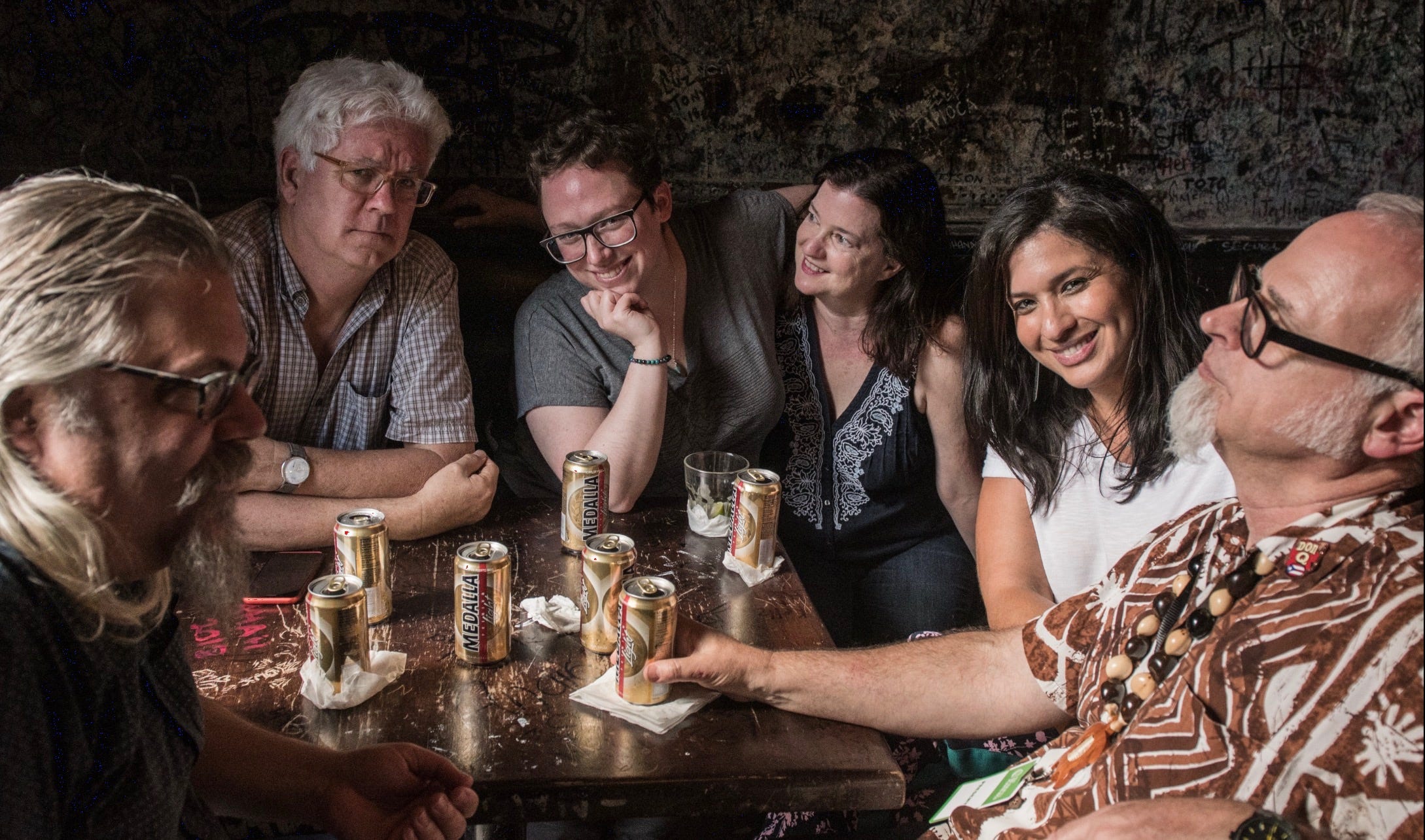
I don’t mean to suggest that day drinking is without risk and should be celebrated by all. Some shouldn’t engage in it too often, and that evidently includes younger drinkers. I recently came across a few studies suggesting that day drinking among college students — along with drinking games and pre-gaming — “are high-risk contexts” (Alcohol, Clinical and Experimental Research, 2023), and are “significantly associated with … more high-risk drinking practices … and greater subjective intoxication” (Journal of Studies on Alcohol and Drugs, 2025). This is about as shocking as day drinking occurring in New Orleans. The studies conclude that day drinking may be best reserved for those whose life routines and personal limits are firmly established.
I don’t believe strict rules should apply to day drinking — how and where it’s done is personal and highly subject to context. But I have some observations to share about day drinking in the wild, as to what works and what doesn’t. If it skews toward the New Orleans experience, I apologize.
The term “day drinking” is itself a problem. It’s a strange phrase. Have you ever asked your friends if they want to go “night drinking”? No, you have not. After sunset it’s always just drinking. But by corralling it in its own pen like some two-headed cow, it acquires a whiff of the unusual and disreputable.
The academic studies I referred to above defined day drinking as drinking “before 4 p.m.,” which is unhelpfully vague. Know what’s before four p.m.? Six a.m. Drinking at six a.m. is not day drinking. It’s either night drinking without the punctuation mark or a cry for help.
Day drinking does not involve hair of the dog. Day drinkers do not knock back a shot in search of relief from bad decisions the night before. Day drinking involves a fresh slate. If you are deeply hungover when you drain your first drink of the day, you are not day drinking. You are night drinking, just playing the other side of the album.
Drinking at brunch is not day drinking. It is brunch drinking, which is a separate category. The beverage here serves as wingman to the meal, not the top-billed actor. I’m pretty sure brunch drinks were invented by restaurant marketers to encourage customers to linger and order more unhealthy food. Over time, brunch has developed its own toy-like drinks — mimosas, bloody marys, champagne cocktails. These are like the plastic Star Wars figurines you get with a Happy Meal. Sidenote: Drinking at brunch can be a prelude to day drinking, especially if you employ it chiefly to lay down a high-calorie, high-carb base for what is to come later in the day.
Day drinking starts at noon. I would appreciate it if the academic researchers would update their studies to reflect this.
Some press accounts have started to refer to drinks consumed during the day as “day caps,” presumably to distinguish them from “nightcaps.” This will cease immediately. Violators will be condemned to a life of sitting on bar stools ten inches too low for the bar.
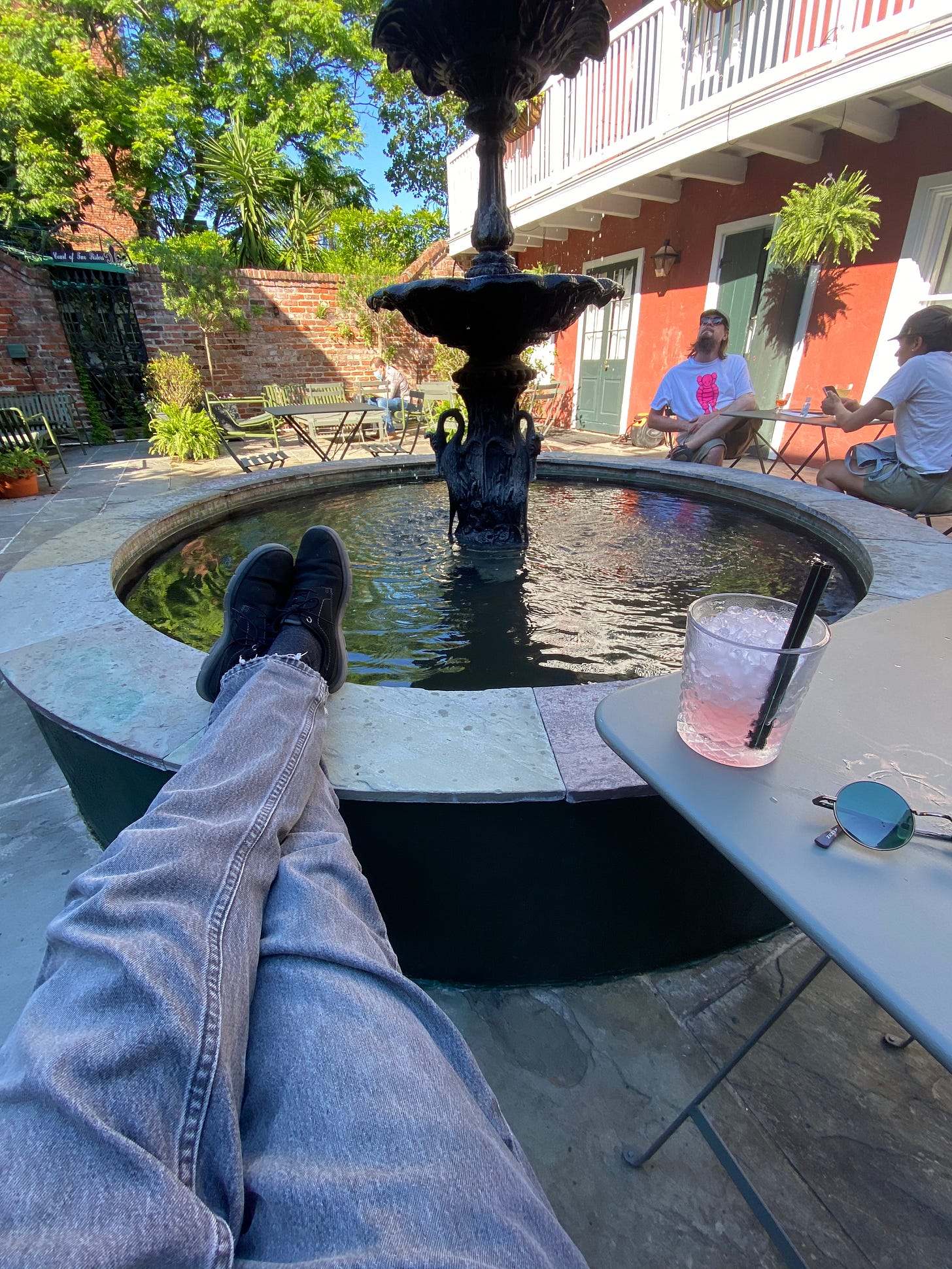
Day drinking can be done at a bar or at home. If at a bar, strive for sidewalk or patio seating, preferably in the sun so as to avoid a Vitamin D deficiency. The same applies to DIY day drinking, whether at home or in a park. The following extra equipment is permitted: lawn chair, cooler, picnic blanket, tailgate, Weber grill. Items not permitted: Bluetooth speaker, riding lawn mower, pressure washer.
Day drinking does not involve doing shots. There shall be no further discussion of this matter.
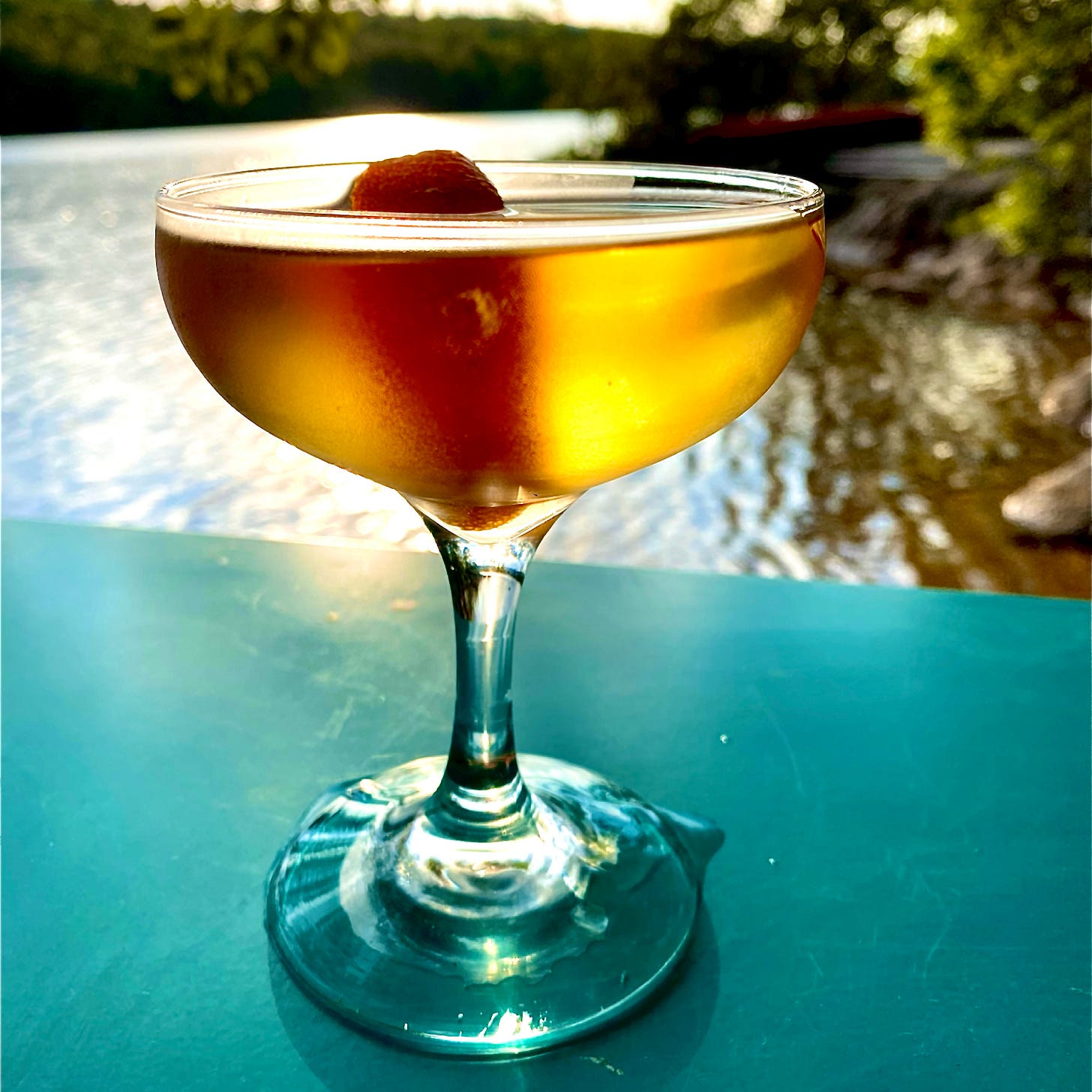
Day drinking is not confined to low-ABV drinks, as some scolds insist. If you want a Manhattan, order a Manhattan. But your drink should be sipped, not shot.
Pacing is key. Night drinking tends to be a race — pre-gaming to get a head start on the evening; impatient customers at bars requesting a “strong” drink (wink wink). One should train for day drinking like this: take a sip, put down your glass, lean back in your chair, hold this position until you have fully savored the moment. Only then repeat. You are not in a hurry to get from A to B. I received a press release for a vodka recently that touted its spirit for “’lower tempo’ consumption occasions.” It’s a bit ungainly as phrases go, but also well conceived.
Remember that time is the luxury when day drinking, not the drink. Day drinking’s whole point is that you’ve claimed hours that society has typically earmarked for productivity. The drink is secondary — it’s the audacity of the afternoon that matters.
Day drinking is not meant to get you out of a bad mood. It’s meant to elevate an already good mood. If you’re in a bad mood, you should probably just take yourself to a matinee.
Day drinking doesn’t just alter your day; it changes the quality of your night. You can reclaim your evening hours, although they will lack crispness around the margins. Just as there’s no shame in day drinking, there’s no shame — after day drinking — in climbing into bed at 9:30. As a bonus, day drinking also increases the quality of the following morning. You can go to bed sober and strangely tired, and wake up bright and refreshed. It is the gift of a new day, a present from day drinking to you. It should be cherished accordingly.
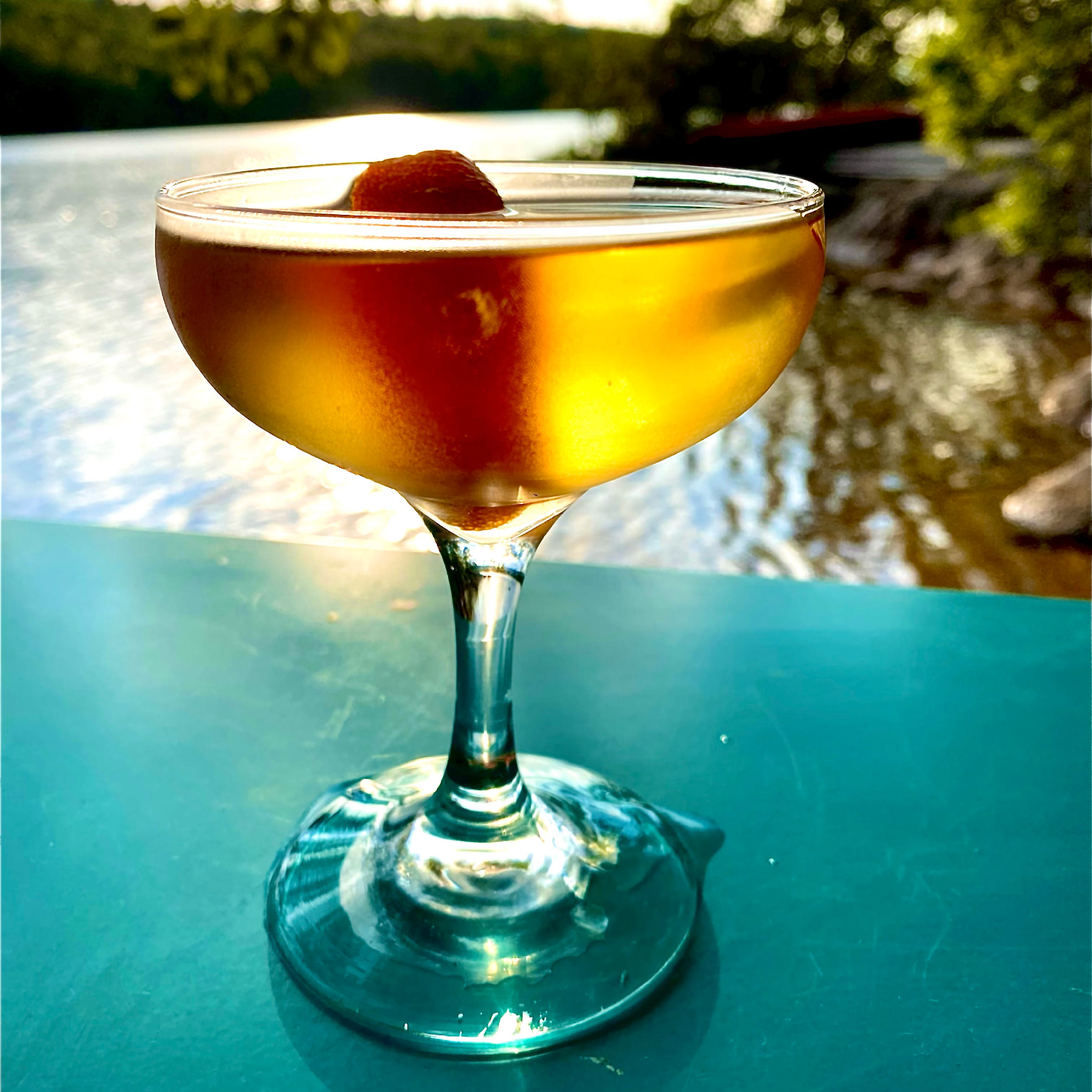
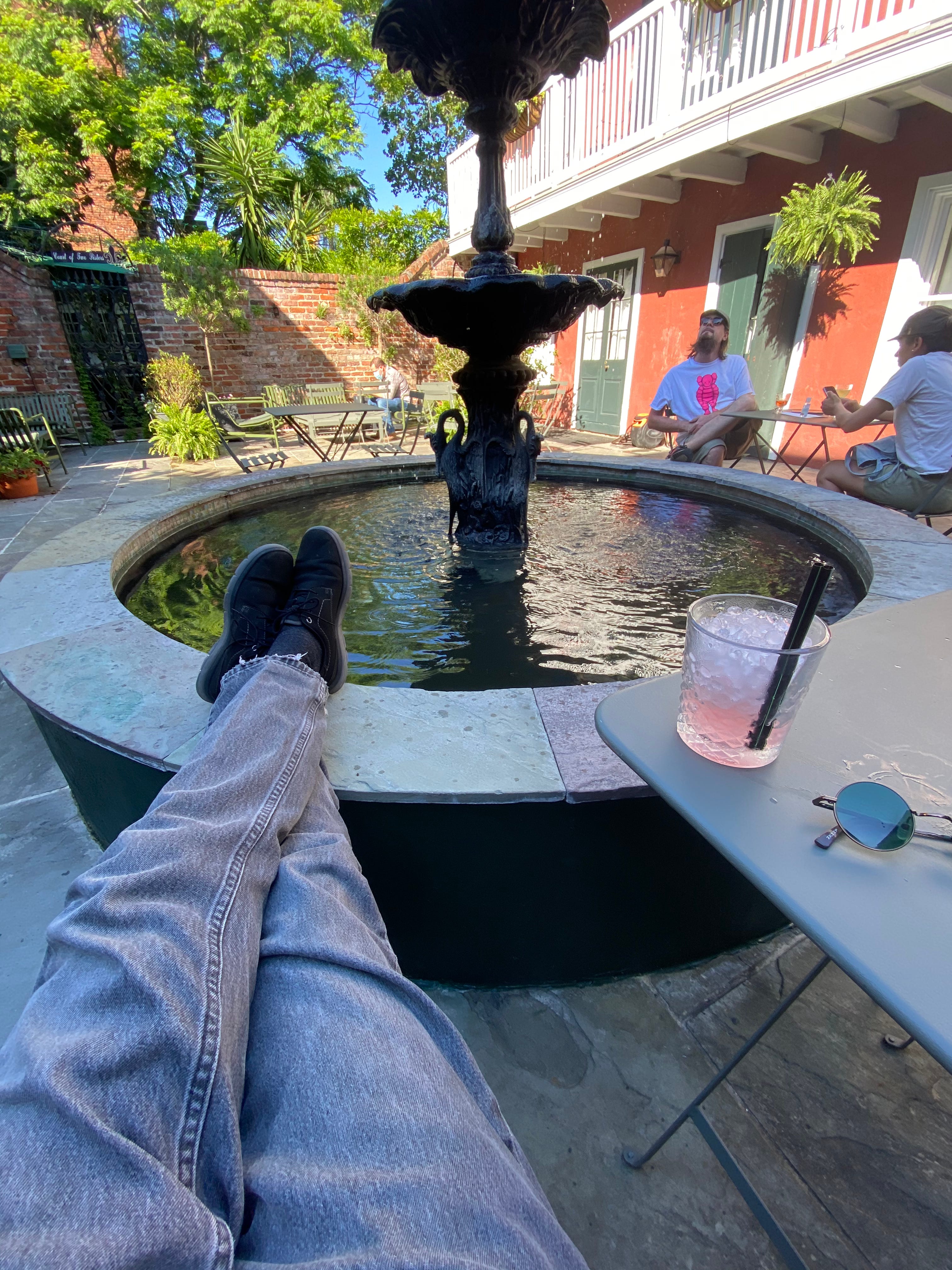
Five stars (out of five).
Day drinking is my preferred form of drinking, for many reasons, but point #13 touches on some of the biggest ones... Getting to sober up before an early bed time means I can actually be functional the next day. It's also just a totally different vibe than night drinking.